

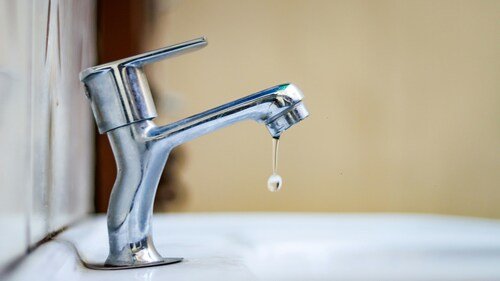
A dripping faucet can be more than a minor annoyance; it can also lead to increased water bills and potential water damage. The Environmental Protection Agency reports that fixing easily corrected household water leaks can save homeowners about 10 percent on their water bills. Taking prompt action is not only good for your wallet but also beneficial for the environment.
Understanding the basics of faucet repair is a useful skill for homeowners. Below, we will walk through the process of diagnosing and repairing a problematic faucet, from initial troubleshooting to the decision of when to call in a professional.
Diagnosing Your Leaky Faucet: Common Causes and Initial Steps
The first step in addressing a leaky faucet is identifying the problem. Common causes include worn-out O-rings, corroded valve seats, or deteriorated washers. The type of faucet, compression, cartridge, ball-type, or ceramic-disk, typically influences the underlying issue.
Initial troubleshooting should focus on the simplest solutions, such as making sure the faucet is tightly closed or checking for visible signs of wear. Knowing your faucet’s model can help you understand its individual parts and the most likely sources of leaks.
Tackling a faucet repair Houston could be a manageable DIY project. Record the symptoms of the leak, like whether the water drips from the spout or handle when the faucet is off, as this can provide clues for your diagnosis.
Tools and Materials Needed for a DIY Faucet Repair
To repair a leaky faucet yourself, you’ll need a few basic tools. These often include an adjustable wrench, Phillips and flat-head screwdrivers, and a pair of pliers. In addition, ensure you have replacement parts like O-rings or washers on hand, customized to your faucet’s brand and model.
Quality materials are necessary for a lasting repair. Investing in a hardware kit designed for your particular faucet type can make the process smoother. Such kits typically contain all the seals and parts required for specific models.
Before you start, cut off the water supply to prevent leaks during the repair. This can usually be done through the shut-off valves located under the sink. Lay down a towel or cloth to catch any dropped parts and protect your sink’s finish.
Step-by-Step Guide to Fixing a Leaky Faucet
Begin by shutting off the water supply and plugging the drain to avoid losing small parts. If you haven’t already, disassemble your faucet to inspect for damaged parts, keeping track of the order and orientation of components as you remove them.
With the faucet disassembled, replace the faulty parts, whether it’s a washer, O-ring, or a specific cartridge. Careful reassembly is essential; ensure each part is clean and properly aligned. Using plumber’s tape on threads can help prevent future leaks.
Once reassembled, gradually turn the water back on to check for leaks. A successful repair will mean a drip-free faucet. If the issue persists, the problem may be more complex, and you might need to consult a professional.
When to Call a Professional: Recognizing Complex Faucet Problems
While many faucet issues can be resolved through DIY methods, some complications require professional expertise. A recurring leak or a faucet that’s become difficult to turn might indicate a more severe problem, such as structural issues with your plumbing.
If you’ve replaced parts and the problem persists, or the faucet has multiple leaks, it’s likely time to call a professional. Skilled plumbers can diagnose and resolve issues that go beyond basic wear and tear, like water pressure problems or deep-seated corrosion.
Seeking professional help can save time and money in the long run, especially when dealing with complex plumbing systems. Companies like Roto-Rooter offer specialized services to ensure a thorough and permanent fix to your plumbing woes.
Overall, fixing a leaky faucet can be an achievable DIY task with the right tools and know-how. Remember to diagnose the problem accurately, gather the appropriate materials, and follow a careful repair process. If problems persist despite your best efforts, do not hesitate to enlist the aid of a plumbing professional to ensure a long-lasting solution.